
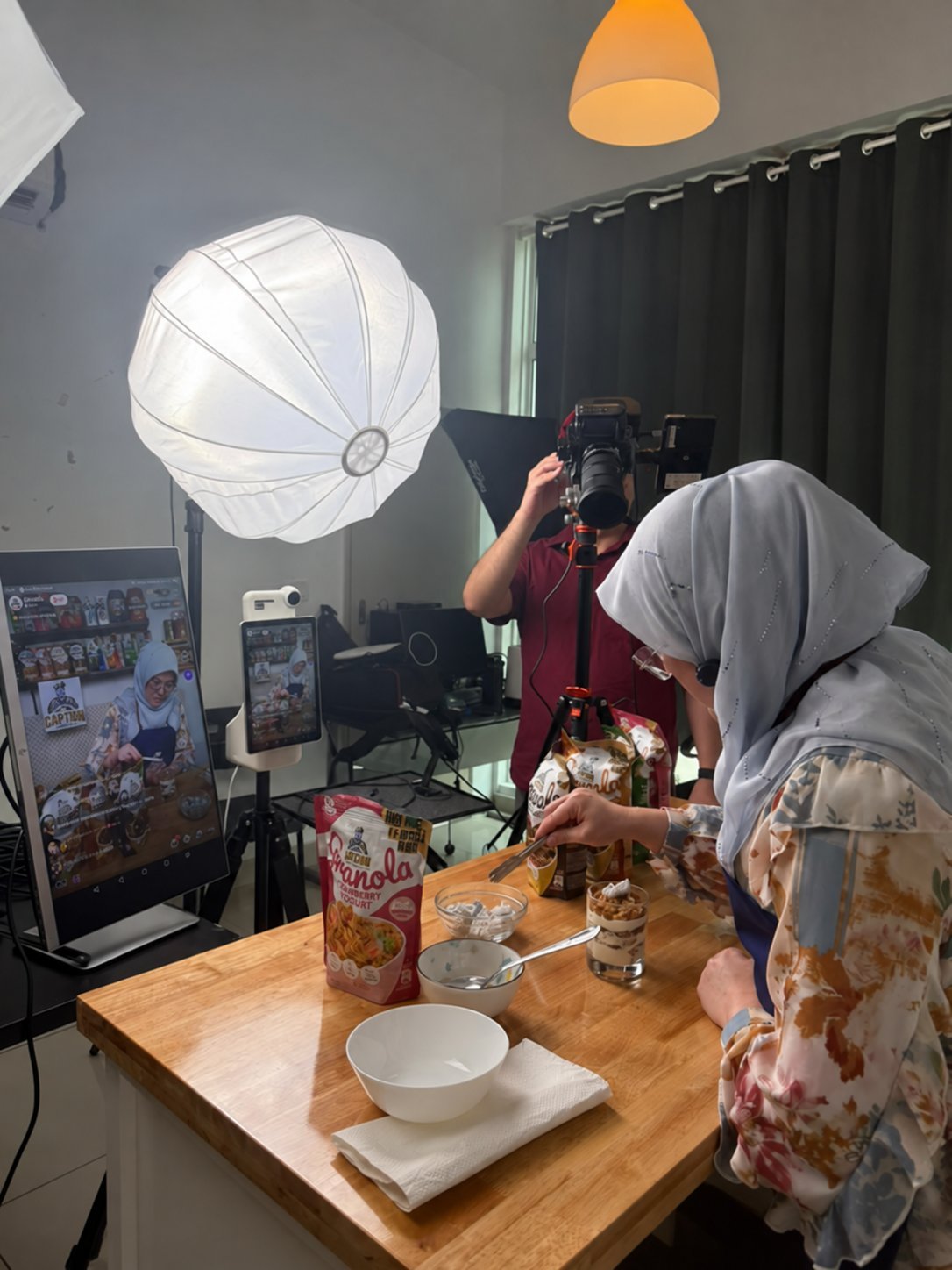
A shopper watches a quick cooking demonstration, asks whether a sauce is spicy, then checks the product listing while the meal is still on screen. That connection between useful content and a buying decision is the opportunity behind discovery commerce.
For food brands planning TikTok Shop marketing in Malaysia, the question is how to make that journey useful and commercially workable. A good recipe can create interest; a clear offer, reliable fulfilment and an honest demonstration help turn that interest into an order.
What TikTok announced in Malaysia
In its 20 August 2026 Malaysia summit announcement, TikTok Shop reported that LIVE sales had grown 48% year on year and accounted for almost a third of its platform sales in Malaysia. It also announced JomLokal Booster 2.0, bringing its stated 2026 support commitment to up to RM250 million.
These are TikTok’s platform-wide figures, not food-category results or a forecast for an individual brand. Programme eligibility and commercial terms should be checked in Seller Center before being included in a campaign budget.
Start with a product that makes sense on camera
Choose one product with an easy-to-demonstrate benefit and a manageable fulfilment process. A seasoning mix might anchor a weeknight meal; a baking ingredient could demonstrate a specific texture or technique. Explain the actual quantity used and let viewers see the result.
Before planning a LIVE session, check stock, packaging, delivery coverage, storage requirements and the accuracy of the product listing. A persuasive video will not solve an unclear pack size or a delivery promise the business cannot meet.
Give short videos and LIVE sessions different jobs
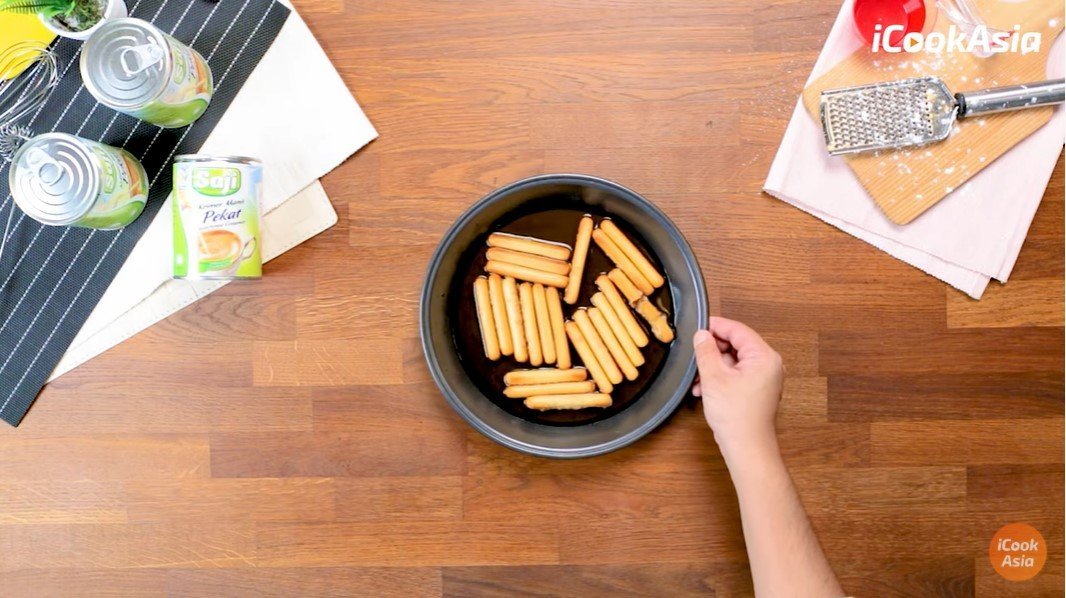
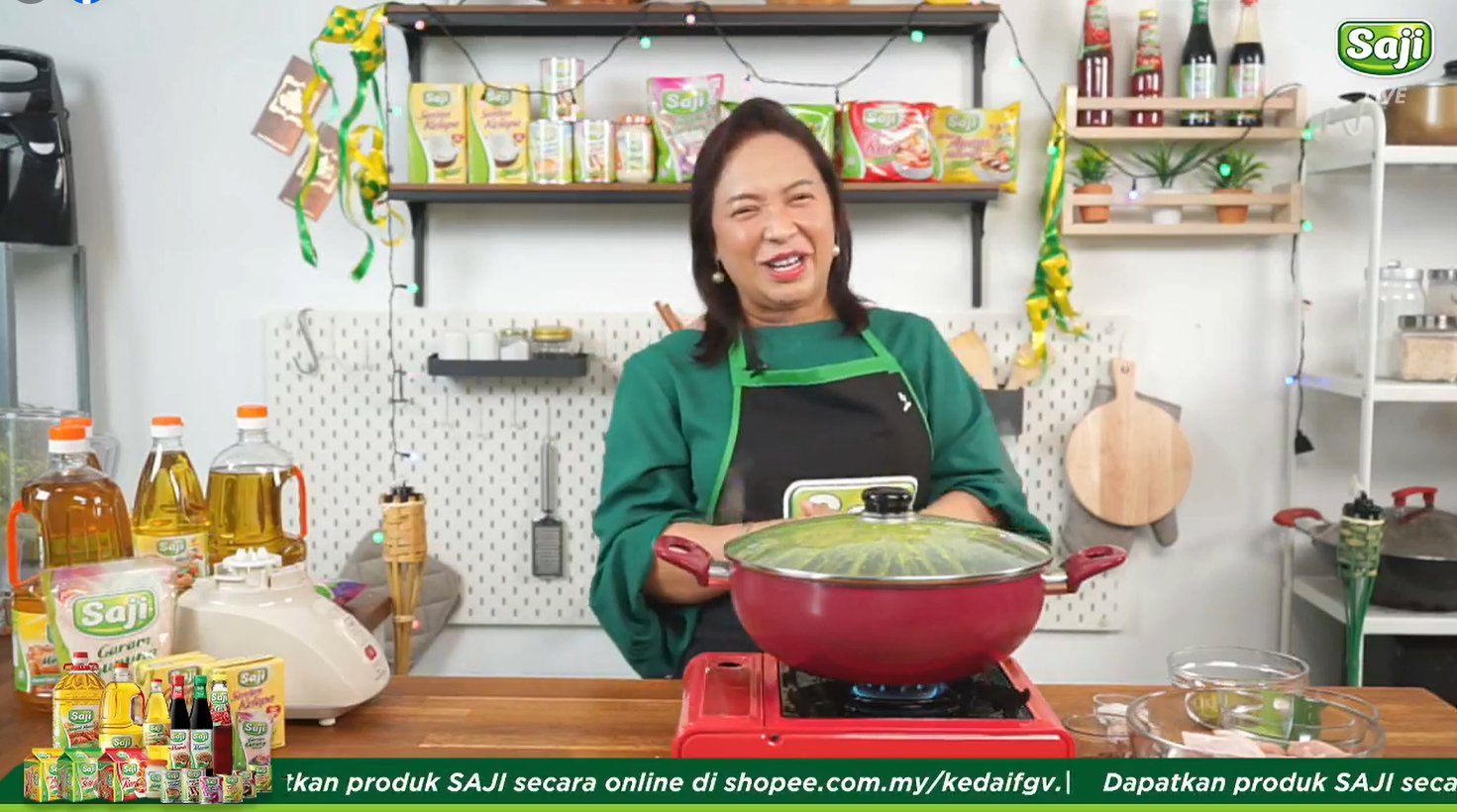
Use short videos to introduce one reason to care: a serving idea, a familiar cooking problem or a practical demonstration. A LIVE session can go deeper, answering questions and showing different uses while a moderator manages product links and recurring queries.
For example, a fictional sambal brand could publish three short demonstrations before a weekend LIVE: a quick rice meal, a noodle variation and an explanation of portion size. The LIVE host could then prepare one dish, answer questions about the range and explain the available bundle. This is a planning example, not a client case study.
Keep a simple running order: introduction, demonstration, product explanation, questions and recap. Repeat essential details for viewers who join midway without turning every minute into a sales pitch.
Brief creators around a real use occasion
A creator who already explains everyday meals may be a stronger fit than someone whose audience mainly watches restaurant reviews. Agree on the recipe, factual product information, deliverables and reporting before filming. Make the commercial relationship clear.
Give creators room to use their own language and cooking style. Keep factual claims, prices and offer conditions consistent across the video, LIVE session and product listing. Our food influencer selection guide covers the audience-fit questions to ask first.
Measure the journey, not just the audience
Run a small pilot before committing to a larger series. Review video engagement, product clicks, completed orders and cancellations or returns where reporting allows. Keep the reporting period consistent and distinguish organic activity from paid promotion.
Calculate the cost of the campaign across production, creator fees, media and any promotion funded by the brand. Compare the resulting contribution after product and selling costs, rather than treating gross sales as profit. Record operational lessons too: repeated delivery questions may indicate a listing issue rather than a content issue.
A practical first test
- Select one suitable product and one audience need.
- Prepare three focused short videos and one manageable LIVE session.
- Assign a host, moderator and fulfilment contact.
- Check the offer, product page and tracking before launch.
- Review results and customer questions before repeating.
The useful lesson from TikTok’s update is to plan content and commerce together. Food brands can begin with a clear demonstration and a measurable pilot, then expand based on what customers actually do.
Planning a food content campaign? Talk to iCookAsia Digital about recipe videos, creators and campaign planning.
Leave a Reply