
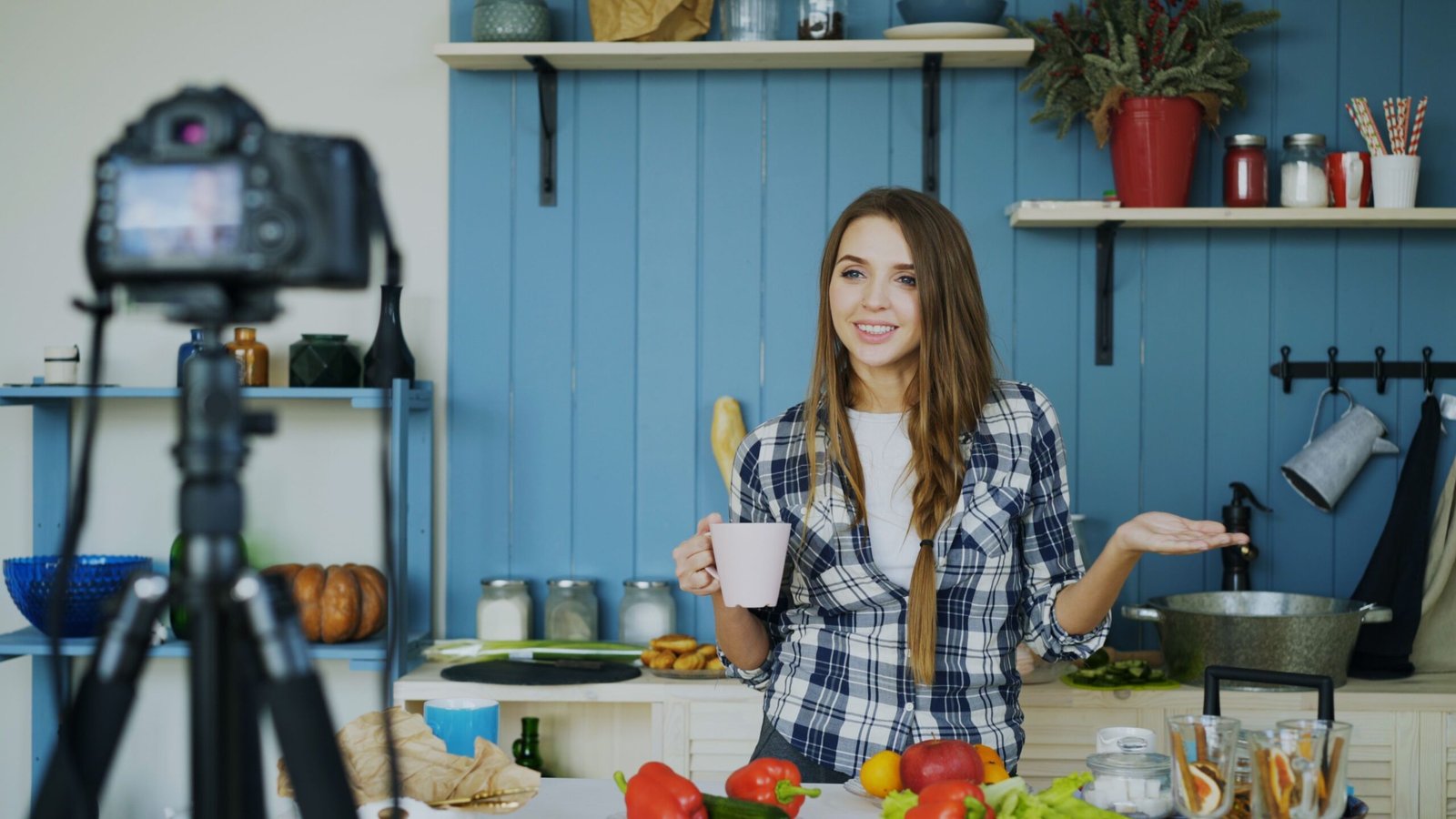
Featured stock photo: Vitaly Gariev / Pexels.
A creator can make a dish look irresistible. The next question is whether their content can help your brand reach the people and outcome you have in mind.
Choosing a food influencer becomes easier when you define that job before building a shortlist. A new restaurant opening, a supermarket ingredient launch and a home-baking campaign each need a different kind of audience and story.
Here is the framework we recommend for food and F&B brands planning a collaboration.
Define the action you want to encourage
Be specific about the campaign objective. Are you introducing a product, showing people how to use it, encouraging a restaurant visit or generating online orders?
That decision shapes both creator selection and the brief. A restaurant launch may benefit from a creator whose audience can realistically visit the location. An ingredient brand may need someone who explains recipes clearly and makes the product easy to use at home.
Set the primary measure at this stage. Depending on the objective, it could be relevant reach, recipe-page visits, bookings or tracked purchases. Agree how it will be measured before the content goes live.
Check whether the audience fits
Ask shortlisted creators for recent audience information, including their main locations and age groups where available. Look for relevance to your intended customers and distribution area.
For a Malaysian food campaign, language and food context also deserve attention. Does the creator regularly speak to the community you want to reach? Do the meals, budgets and occasions in their content fit how your product is used?
Follower count helps describe potential scale. Evaluate it alongside audience fit and recent performance. Review a group of comparable posts so that one unusually successful video does not dominate your decision.
Watch how the creator explains food
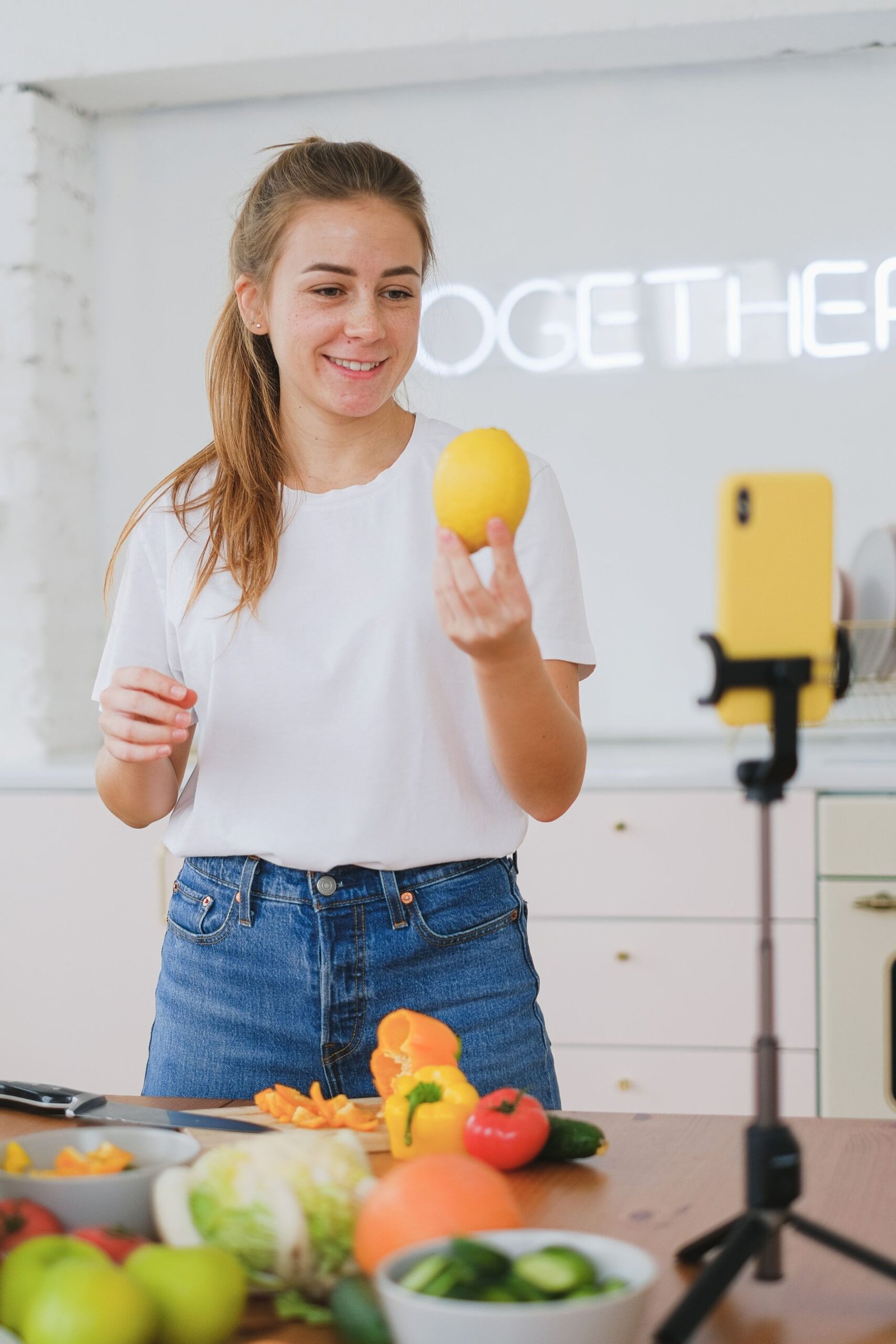
Look beyond the finished dish. Can viewers follow the cooking steps? Is the product visible at a useful moment? Does the creator explain flavour and texture in a way that helps someone decide what to try?
Read the comments as well. Questions about ingredients, availability or the recipe can reveal the kind of conversation the content generates. Generic reactions alone provide limited evidence of interest in the product.
For recipe-led work, shortlist creators whose existing content gives you confidence in their ability to demonstrate the dish accurately and naturally.
Give the product a believable role
Ask a simple question: would this collaboration make sense to someone who already follows the creator?
A creator known for convenient family meals could be a strong creative fit for a quick-cooking ingredient. A specialist baker could suit a product that needs a more detailed technique demonstration. These are starting hypotheses to check against the individual creator’s audience and work.
Give the creator room to propose an approach. Set clear product facts, required messages and any claims that need approval, then let their presentation style inform the execution.
Agree on the full scope before production
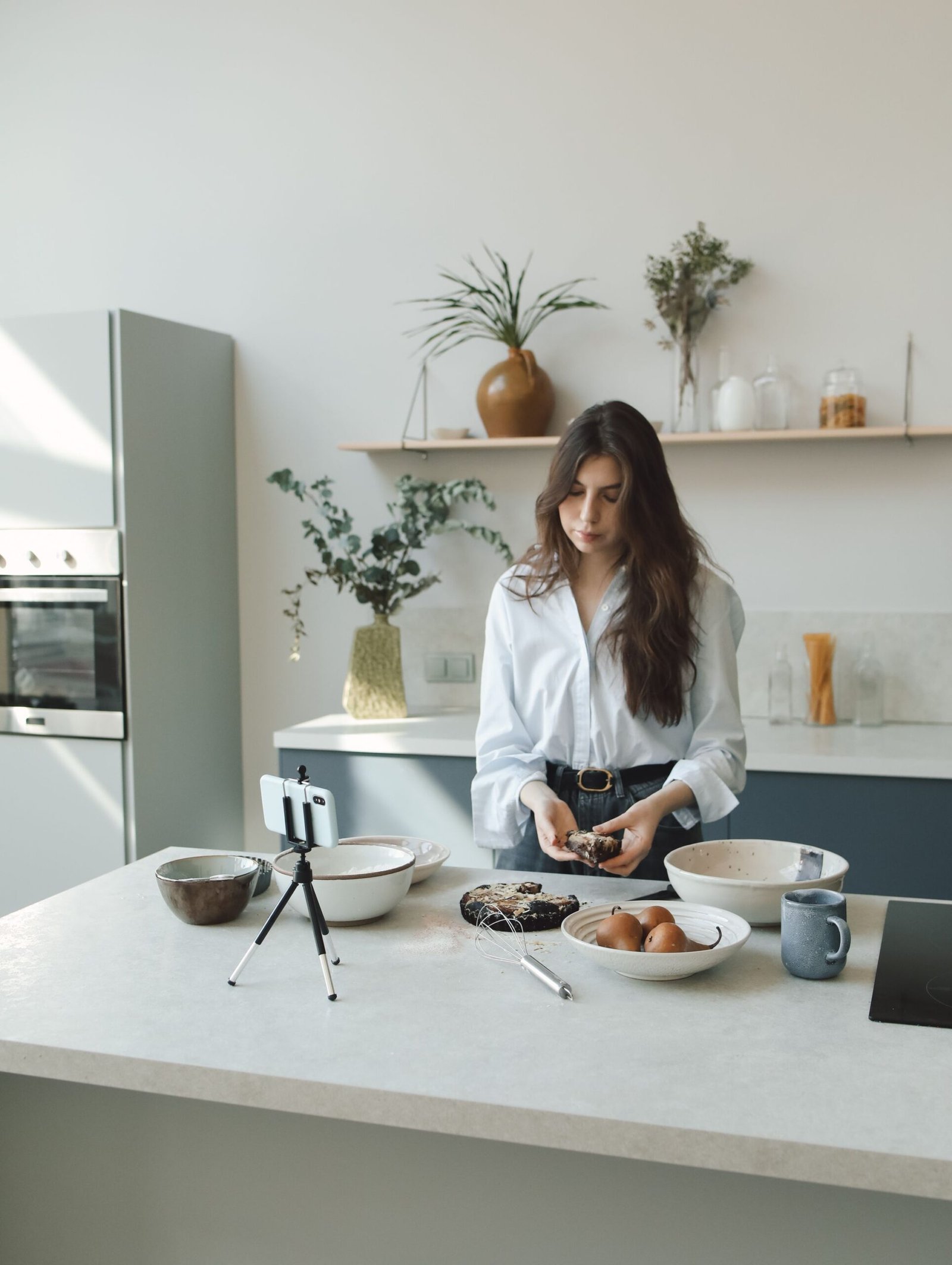
Record the number and format of posts, deadlines, review stages, reporting requirements and the process for corrections. Be clear about paid partnership disclosure and who will manage audience questions.
Discuss whether the content will also appear on your brand’s channels or in paid advertising. Define the agreed usage period, channels and editing scope, and budget for those uses explicitly.
For example, Meta offers partnership ads that allow advertisers to amplify content with a creator or partner. If this is part of the plan, include the relevant permissions and deliverables in the initial discussion. Meta explains the format here.
Compare results against the original objective
After publishing, review the agreed metrics alongside the content and audience response. Where possible, distinguish organic results from paid distribution.
Tracked links or campaign codes can provide useful evidence, but they may miss purchases that happen later or through another channel. Report those limits when assessing the campaign.
Keep a record of what each creator did well: explaining a recipe, introducing the brand, answering questions or prompting a measurable action. Use those findings to shape the next brief and shortlist.
At iCookAsia Digital, we recommend choosing creators with a clear reason for the partnership: the right audience, a credible product role and a shared understanding of success.
Planning a food influencer campaign? Talk to iCookAsia Digital about finding creators for your brand.
Leave a Reply