
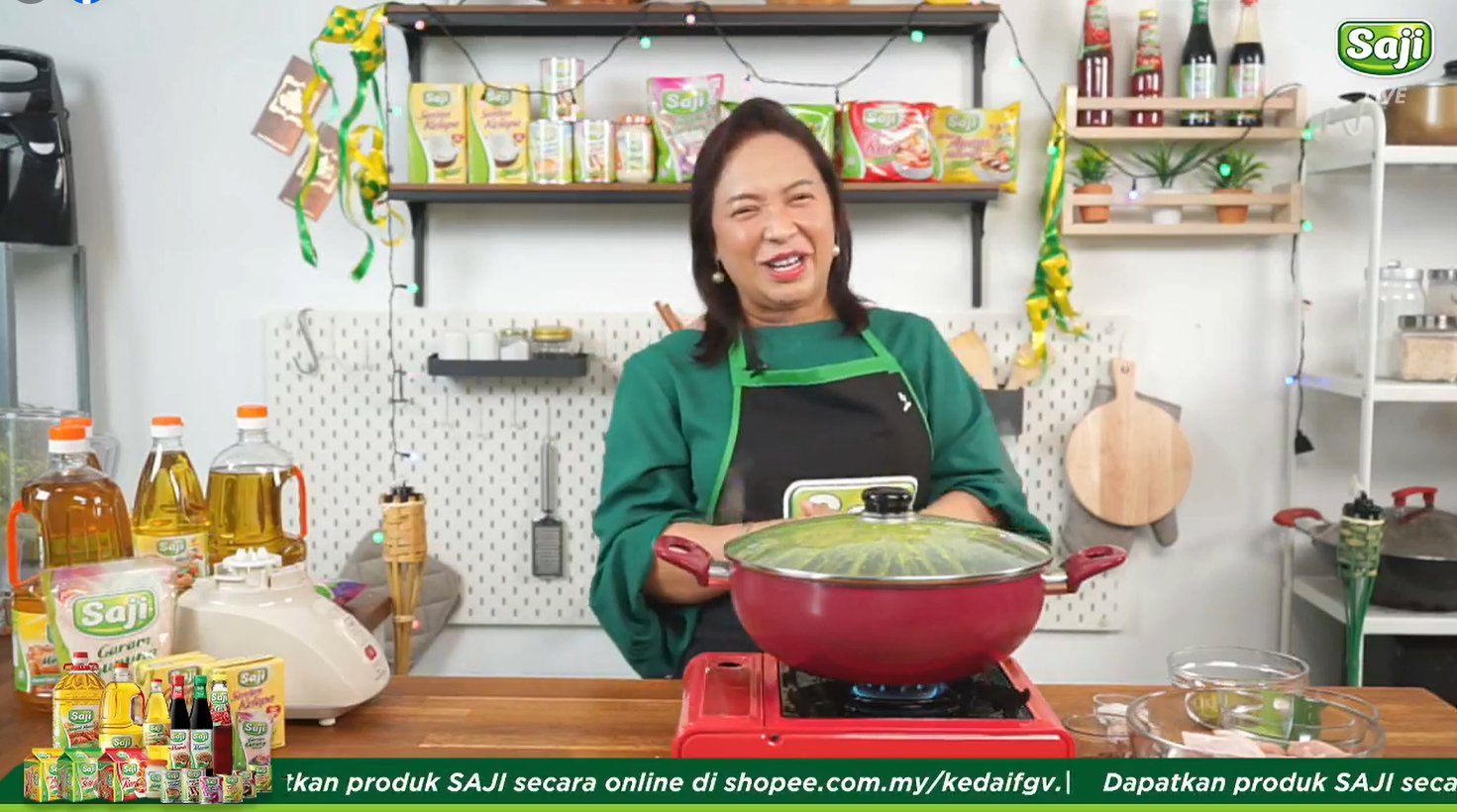
A creator’s recipe video attracts thoughtful comments and saves. Your marketing team wants more potential customers to see it. Turning that video into a paid campaign starts with a different question: what should the additional reach achieve?
Instagram Reels ads for food brands can introduce a product, support consideration or encourage a measurable action. The creative, destination and reporting should all serve the same objective.
Why creator content deserves a place in the media plan
Meta’s March 2026 product update described improvements to creator discovery and its Partnership Ads Hub, including ways to manage creator content and turn organic posts into paid campaigns. This continues an established approach: partnership ads were already described in Meta’s 2024 creator marketplace announcement.
The planning implication is to discuss paid usage when commissioning content, rather than treating it as an afterthought. Check the tools and eligibility available in your own account before promising a particular setup.
Decide whether the ad should run with a creator
A brand can advertise suitable content under its own identity when it has the necessary rights. Partnership ads provide a way for an advertiser and creator or other partner to run advertising together, using the relevant account permissions.
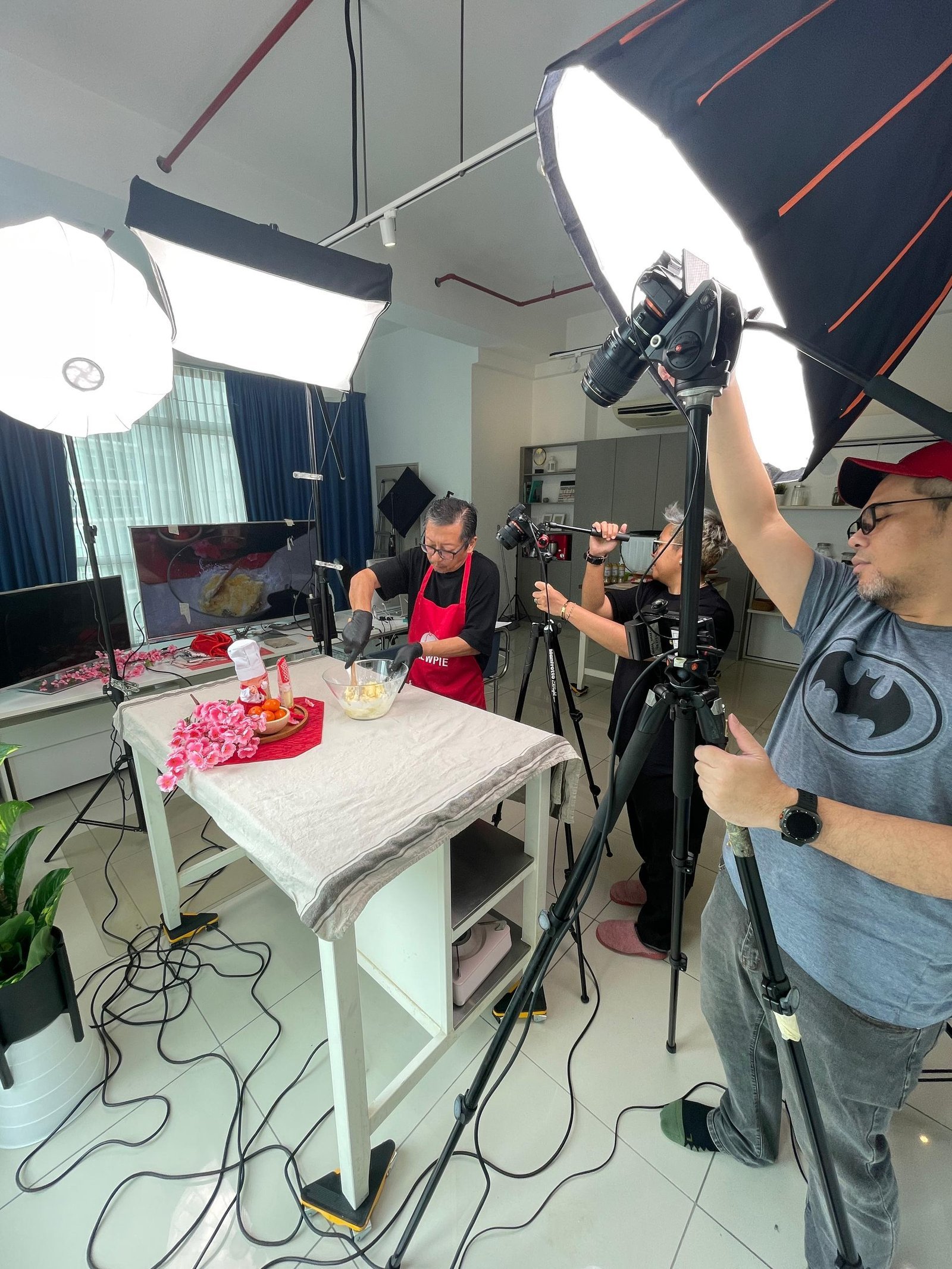
Choose the approach based on the campaign, the creator agreement and the value of the creator’s presence. An organic collaboration does not automatically include permission for paid advertising. Agree on the platforms, campaign duration, territories, edits and any additional fee before launch.
Choose content with a clear product story
Look beyond the video with the most views. Does it show the product clearly? Does the demonstration answer a relevant question? Can a new viewer understand the opening without already knowing the creator?
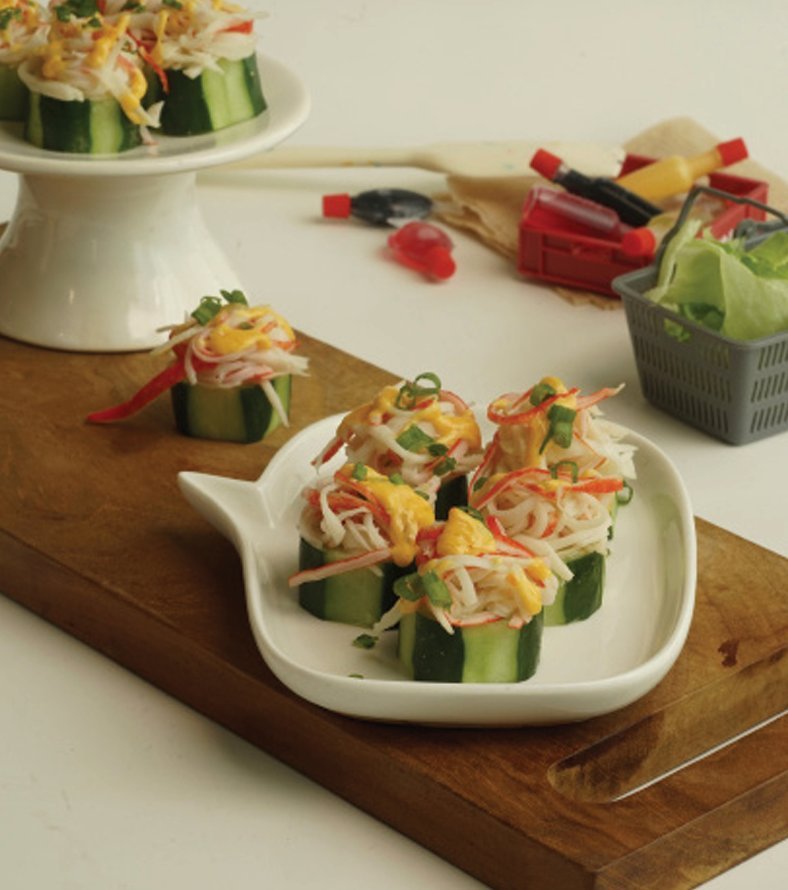
For a food brand, a useful starting point might be a quick meal using a cooking paste, a serving idea for a dressing or a practical baking demonstration. Review comments for confusion as well as enthusiasm. If viewers keep asking which product was used, strengthen that explanation before paying for wider distribution.
Our guide to choosing food influencers explains how to assess audience fit before commissioning the work.
Adapt the video for the placement
Prepare a vertical edit with readable captions and a clear opening. Keep essential product details and text away from areas covered by the platform interface. Check the actual placement preview in Ads Manager, including how the video appears without sound.
Make sure music and other third-party material are cleared for the intended advertising use. A track used in an organic post should not be assumed to carry the same rights for a paid campaign.
For example, a fictional dressing brand could test two openings from the same shoot: one showing the finished lunch, the other showing the preparation problem the dressing helps solve. Keep the offer and destination consistent so the comparison has a useful purpose.
Match the destination to the promise
A video promising a recipe should lead somewhere that makes the recipe easy to find. A product offer should land on the correct product or collection, with the same pack details and offer conditions. Avoid sending interested viewers to a general homepage that makes them start again.
Select the campaign objective around the outcome you can measure. Product sales, enquiries and awareness require different reporting. Confirm that tracking works before launch, and avoid reading a click as evidence of a purchase.
Test with a defined question
Start with a small number of meaningful variations. Compare an opening, a product explanation or a call to action while keeping other major factors as consistent as possible. Allow enough delivery to make the result useful; do not declare a winner from a handful of clicks.
Review attention signals alongside the intended outcome. A video may attract viewers but fail to create qualified visits. Another may generate fewer views yet lead to more relevant enquiries. Report media spend separately from creator and production costs, then assess total campaign cost when deciding whether to scale.
Before you launch
- Confirm the objective, audience and destination.
- Record paid usage permissions and the agreed duration.
- Check captions, product details, music and placement previews.
- Test links and measurement.
- Set a review date and a clear question for the first test.
Want to connect creator content with paid distribution? Explore iCookAsia Digital’s Meta and TikTok campaign services.
Leave a Reply