
A content calendar should help a food brand decide what to say, why it matters and who will make it happen. Filling boxes with “post a recipe” or “follow a trend” is only the beginning.
A useful food brand social media content calendar connects audience needs with product priorities and the team’s production capacity. It also leaves room to respond when customers ask something unexpected.
Choose the month’s priority
Start with one commercial or communication priority: introduce a product, explain a new use, support a retail promotion or build interest in a seasonal occasion. Confirm product availability, approved offers and any important dates before commissioning content.
Then describe the audience situation. “Parents looking for practical weekday meal ideas” gives the team more direction than “everyone who likes food”. For Malaysian campaigns, decide which languages, locations and shopping habits are relevant instead of assuming one message fits the whole market.
Build a balanced set of content pillars
Choose a small group of recurring themes that each serve a purpose. Recipes show the product in use. Product education answers buying questions. Creator content adds a different voice. Community posts reveal what people need next. Promotional posts explain a specific offer or next step.
Give every post one main job. A recipe can include the pack naturally without also having to explain every product variant and every offer. Our guide to food content for TikTok search shows how audience questions can become focused recipe ideas.
A practical 30-day example
The following is an illustrative plan for a packaged sauce brand, not a prescribed posting frequency. It uses 12 main posts across 30 days, with time for production, responses and review between them. Adjust the pace to the team’s resources and the audience response.
- Day 1: A short recipe introducing the month’s main cooking occasion.
- Day 3: A carousel explaining the product range and appropriate uses.
- Day 5: A creator demonstration of a second serving idea.
- Day 8: An answer to a recurring customer question.
- Day 10: A behind-the-scenes look at recipe preparation.
- Day 12: A clear product or retail offer, if one is available.
- Day 15: A recipe responding to feedback from the first week.
- Day 17: An ingredient substitution or cooking-technique post.
- Day 19: A creator-led variation for a different meal occasion.
- Day 22: A question inviting viewers to choose the next recipe.
- Day 25: A useful recap of the month’s serving ideas.
- Day 29: A final recipe or reminder tied to a verified offer deadline.
Use days 7, 14, 21 and 30 for a structured review. On other days, respond to comments, prepare upcoming content and collect questions. Stories or other lightweight updates can support the plan when there is something useful to share.
Turn the calendar into a production plan
For each item, record the objective, audience question, product, format, language, owner, draft deadline, approval date, publishing date and destination link. Keep the caption and asset status close to the calendar so the team can see what is actually ready.
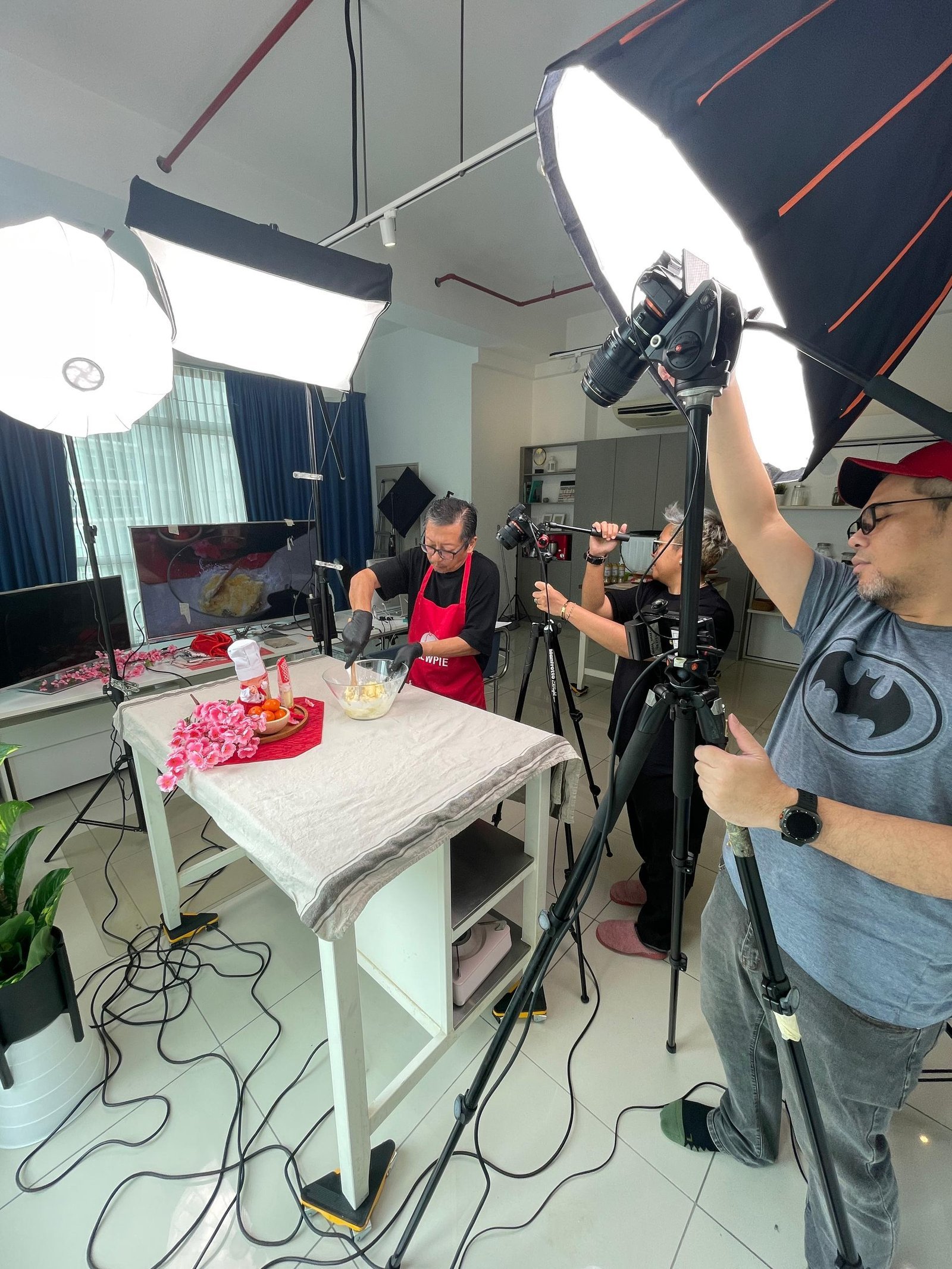
Batch compatible recipes and product shots where practical. One shoot might produce a main demonstration, a shorter serving idea and still photographs, provided those deliverables are planned in advance. Leave enough time for recipe testing and product approval before the shoot.
Adapt the idea for each platform
Keep the core message consistent, but edit for the way the post will be viewed. A short video needs a clear opening; a carousel can break a method into steps; a website article can explain the details that do not fit comfortably on screen.
Review captions, framing and the destination on each platform. Avoid publishing an identical file everywhere simply because it is available. If an idea requires paid support, agree on that budget and usage before the asset is finalised.
Leave space for useful changes
Reserve a few flexible slots instead of locking every idea at the start of the month. A repeated customer question may deserve attention sooner than a planned promotional post. A trend is worth considering when it fits the product, the audience and the brand’s voice—not merely because it is visible.
At each review, compare posts with similar objectives. Look at relevant questions, saves, viewing behaviour and tracked actions where available. Record one practical learning and one change for the next week. Avoid turning one unusually successful post into a rule for the whole calendar.
Make consistency manageable
A smaller number of useful, well-prepared posts is a workable starting point for a team building its process. Increase the pace when production, approvals and community management can support it. The calendar should make responsibilities clearer and improve the content, rather than become a list of deadlines nobody can meet.
Need help planning and producing the month’s content? Explore iCookAsia Digital’s social media management services for food brands.
Leave a Reply