
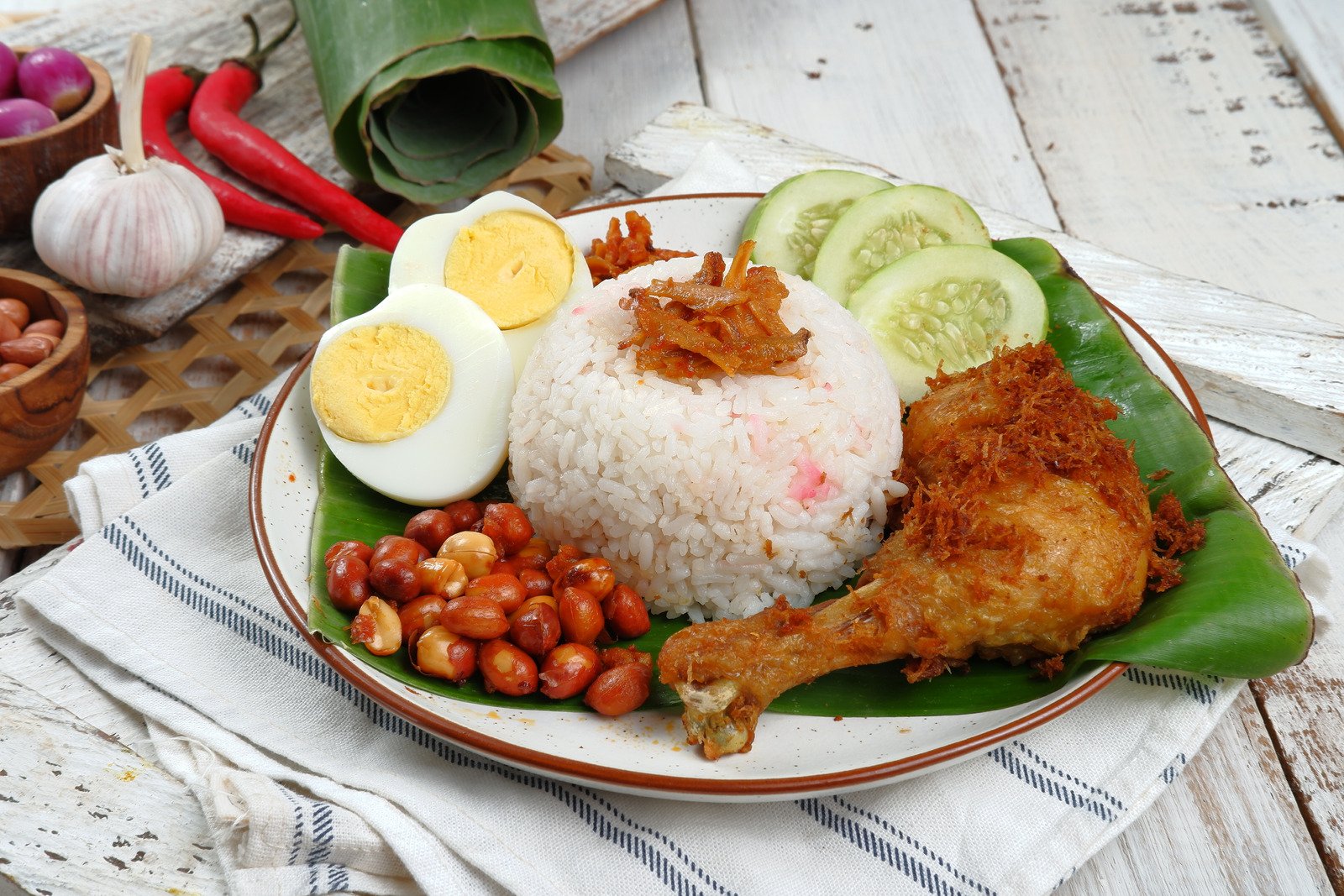
“What can I cook with eggs?” “How do I stop fried rice turning soggy?” “What can I pack for lunch tomorrow?”
These are useful starting points for a food brand’s content plan. Each question gives a video a clear job: help someone make a decision or solve a cooking problem.
TikTok supports this type of discovery through search. Its Creator Search Insights tool surfaces topics people search for and identifies some topics with relatively little available content. Access can vary, so check availability on your account. TikTok explains the tool here.
For food brands, our recommendation is to connect a specific cooking need with a credible role for the product.
Start with the question your customer would ask
Begin with your own sources of audience feedback: comments, customer enquiries, recipe requests and questions passed on by your sales team.
Group these into a few practical themes. A rice brand might explore texture, portion sizes and leftover meals. A sauce brand might focus on quick dinners, ingredient substitutions and different uses for the same jar.
Use TikTok search and Creator Search Insights, where available, to investigate the wording around those themes. Treat suggestions as research leads. Do not assume an example phrase represents high search demand without checking.
For a Malaysian audience, explore the language people actually use, including Bahasa Malaysia and English where relevant. A phrase such as “resepi ayam mudah” could inspire a different presentation from a broad request for “chicken recipes”. These are illustrative examples, not verified search-volume rankings.
Give each video one clear promise
A video becomes easier to plan when it answers one question.
For example, a seasoning brand could build an episode around “a simple fried rice lunch using yesterday’s rice”. The opening shows the finished dish, the demonstration explains the method, and the product appears where it contributes to flavour.
Introduce the topic naturally in the spoken opening, on-screen wording and caption. Keep those elements consistent with what the video actually teaches. This makes the subject clear to viewers; it does not guarantee a particular search position.
Avoid squeezing several unrelated recipes or promises into the same short video. A focused answer also makes it easier to identify what worked when you review the response.
Show the details that make the recipe usable
An attractive final shot creates interest. Useful instruction helps someone attempt the dish.
Show ingredient quantities, the order of cooking and the visual cues that matter. If the texture should change before the next ingredient goes in, let viewers see that change. Put any essential detail that is difficult to fit on screen in the caption or a linked recipe page.
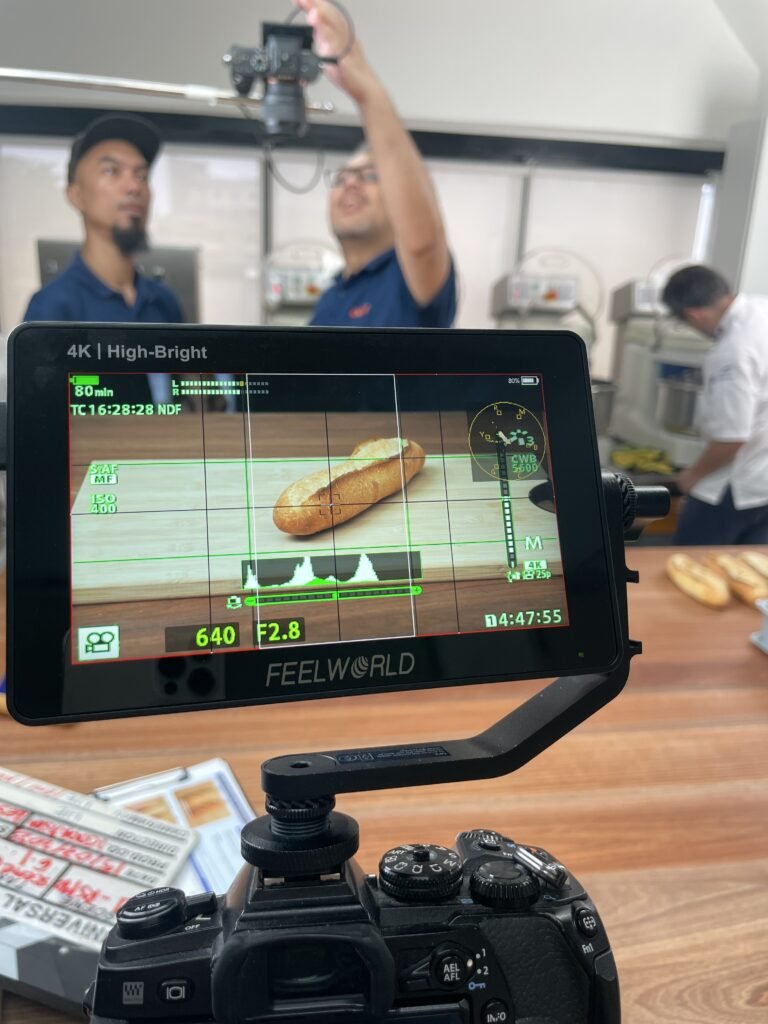
Make the product’s role equally clear. If a sauce is the base of the dish, show how much is used and when it is added. Keep the explanation specific to what the demonstration supports.
Build a small series around related needs
One useful question can lead to several distinct videos. For a fried rice series, a brand could explore a basic method, an egg version, a vegetable version and lunchbox serving ideas.
Each episode should offer a complete answer on its own. Related posts can then give interested viewers somewhere useful to go next.
Plan the series around your audience’s cooking habits and your product’s genuine uses. Chasing a popular topic has little value if the connection to your brand feels forced.
Measure whether the answer helped
Start with a small group of videos and review them after a consistent period. Look at watch time, saves, relevant questions and search performance where that reporting is available. Track recipe-page visits or product enquiries when you have a way to connect them to the content.
A save may suggest someone wants to return to a recipe. A question may reveal a missing explanation. Neither proves a purchase, but both can guide the next edit or episode.
At iCookAsia Digital, we recommend using these signals to make the next recipe more useful. Clear audience needs, well-tested recipes and thoughtful production give a food brand a repeatable starting point for content.
Need help turning customer questions into recipe videos? Talk to iCookAsia Digital about your next content series.
Leave a Reply